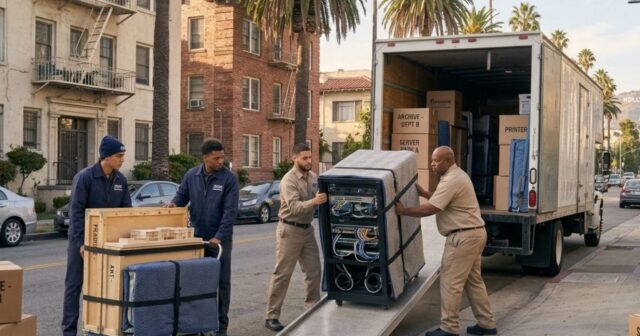
Moving in Downtown LA: Parking, Elevators and Costs
Moving in Downtown Los Angeles can be an exciting experience, whether you’re relocating to a modern high-rise apartment, a historic loft, or a luxury condominium. With its vibrant neighborhoods, entertainment venues, restaurants, and convenient urban lifestyle, Downtown LA continues to attract people looking for a dynamic place to live.
However, moving in Downtown LA comes with challenges that are different from those in many other Los Angeles neighborhoods.
Limited truck parking, busy streets, freight elevator reservations, loading dock restrictions, and building management requirements can make even a short-distance move more complicated than expected.
If you’re searching for Downtown LA movers, understanding these challenges before moving day can help you save time, avoid unnecessary delays, and plan a more efficient relocation.
At Moving Company Los Angeles, we believe that preparation is essential for a successful move.
In this guide, we’ll explain what affects moving costs in Downtown Los Angeles, how to handle moving truck parking, what to know about elevator reservations, and practical tips for a smoother moving experience.
Why Moving in Downtown Los Angeles Requires Extra Planning
Downtown Los Angeles, often called DTLA, is home to residential towers, converted industrial lofts, condominium buildings, and mixed-use developments.
Unlike many suburban neighborhoods, Downtown LA has a dense urban environment where moving trucks must navigate busy streets and limited loading areas.
Popular residential districts include:
- South Park: Known for modern apartment towers, condominium buildings, and entertainment destinations.
- Financial District: Features high-rise buildings, residential developments, and busy commercial streets.
- Arts District: Offers converted warehouses, loft apartments, creative spaces, and newer residential communities.
- Historic Core: Known for historic architecture, renovated loft buildings, and urban residential living.
- Little Tokyo: Features apartment communities, cultural destinations, and active pedestrian areas.
- Bunker Hill: Includes high-rise residential buildings, office towers, and cultural institutions.
Each neighborhood presents different moving considerations.
For example, relocating to a South Park high-rise may require coordinating a freight elevator and loading dock, while moving into an Arts District loft may involve narrow access points or limited curbside parking.
Working with professional local movers in Downtown Los Angeles can help you prepare for these challenges.
How Much Does It Cost to Move in Downtown LA?
One of the most common questions people ask is:
“How much does it cost to hire movers in Downtown Los Angeles?”
The answer depends on several factors, including your apartment size, furniture inventory, building accessibility, moving distance, and additional services.
Rather than relying on a generic estimate, understanding the factors that influence moving costs can help you make better decisions.
1. Apartment Size and Furniture Inventory
The amount of furniture and household belongings is an important factor in determining moving requirements.
A studio apartment with minimal furniture typically requires less labor than a fully furnished multi-bedroom condominium.
Common household items include:
- Beds and mattresses
- Sofas and sectionals
- Dining tables and chairs
- Dressers and wardrobes
- Desks and office furniture
- Televisions and entertainment centers
- Kitchen appliances
- Moving boxes and personal belongings
Larger inventories generally require additional loading, transportation, and unloading time.
2. Building Floor and Elevator Access
Moving into a high-rise apartment can involve more coordination than moving into a ground-floor property.
Even when elevators are available, movers may need to transport belongings through long hallways or wait for designated service elevator access.
Elevator size, capacity, and reservation windows can affect the overall moving process.
3. Moving Truck Parking
Parking availability is especially important in Downtown LA.
If a moving truck cannot park near the building entrance, movers may need to carry furniture and boxes over longer distances.
Proper parking arrangements can help reduce unnecessary delays.
4. Loading Dock Restrictions
Some Downtown Los Angeles buildings have designated loading docks with vehicle size restrictions.
A moving truck that cannot access the dock may require alternative loading arrangements.
Always confirm truck clearance and loading access before moving day.
5. Moving Distance and Traffic
Relocating within Downtown LA involves different transportation logistics than moving from another part of Los Angeles County.
Traffic conditions on major streets and freeways can influence your moving schedule.
6. Packing and Additional Services
Professional packing, furniture disassembly, specialty item handling, and unpacking assistance can affect the scope of your relocation.
Discuss these requirements with your moving company in advance.
7. Moving Crew Size
Choosing the appropriate number of movers can improve efficiency.
A smaller crew may be suitable for a lightly furnished apartment, while a larger crew may help with substantial furniture or restricted moving windows.
Moving tip: Request a personalized written estimate based on your actual inventory, building access, and moving requirements.
Downtown LA Moving Truck Parking: What You Need to Know
Parking is one of the biggest logistical challenges when moving in Downtown Los Angeles.
Many streets have parking meters, loading zones, bus stops, commercial activity, and restrictions on stopping or standing.
Before moving day, determine where your moving truck can legally park.
Do You Need a Parking Permit for a Moving Truck in Downtown LA?
Not every move requires a special parking permit.
However, if you need to reserve public curb space or temporarily restrict parking for your moving truck, you may need authorization from the City of Los Angeles.
The Los Angeles Department of Transportation (LADOT) handles temporary no-parking signage requests and related traffic controls.
Requirements depend on the location and proposed use.
For current instructions, contact LADOT’s Special Traffic Control Division or visit the official LADOT website.
How to Plan Moving Truck Parking
Follow these steps before scheduling your Downtown LA relocation:
- Check your building’s loading area. Ask whether the property has a private loading dock or designated moving truck parking.
- Review street parking restrictions. Look for posted signs, parking meters, and colored curb markings.
- Contact LADOT if necessary. Ask about the process for requesting temporary no-parking signs or other appropriate authorization.
- Plan ahead. Allow time for any required approvals and signage arrangements.
- Confirm truck dimensions. Make sure your moving vehicle fits the available loading space.
- Share parking instructions with your movers. Provide the exact approved loading location before moving day.
Never assume that a moving truck can legally double-park or occupy a restricted curb zone.
Can Moving Trucks Use Commercial Loading Zones?
Some commercial loading zones may permit eligible commercial vehicles to load and unload during designated periods.
However, restrictions depend on posted signs, curb markings, vehicle eligibility, and applicable time limits.
A loading zone should not be treated as unrestricted moving truck parking.
Always confirm the rules for the exact location.
What If There Is No Parking Near Your Building?
If nearby truck parking is unavailable, ask your building management about alternative loading areas.
Your moving company may need to evaluate a different truck location or transportation arrangement.
The goal is to find a legal and practical solution before moving day.
Freight Elevator Reservations in Downtown Los Angeles
Elevator reservations are among the most important considerations when moving into a Downtown LA high-rise.
Many apartment and condominium buildings require residents to schedule a service elevator for moving.
These reservations help building management coordinate large deliveries and protect shared spaces.
Why Do Buildings Require Elevator Reservations?
Moving large furniture through residential elevators can disrupt normal building operations.
A designated moving elevator helps organize the transportation of boxes, furniture, and other belongings.
Some buildings also install protective padding or restrict elevator access during moving activities.
How to Reserve a Moving Elevator
Contact your property manager or building concierge before booking your move.
Ask the following questions:
- Is a freight or service elevator available?
- Do I need to reserve it in advance?
- What moving hours are permitted?
- Are weekends allowed?
- Is a Certificate of Insurance required?
- Are there elevator size or weight restrictions?
- Does the building require protective padding?
- Is a loading dock reservation necessary?
Confirm your reservation in writing whenever possible.
What Happens If You Don’t Reserve the Elevator?
If your building requires a reservation and you arrive without one, your moving crew may not be allowed to use the designated elevator.
This can delay your relocation or require rescheduling.
Important: Confirm elevator availability before finalizing your moving date.
Downtown LA Loading Docks and Building Access
Loading docks can make high-rise relocations more convenient, but they often have specific requirements.
Some buildings restrict vehicle height, length, and loading hours.
Before moving day, ask building management about:
- Loading dock availability
- Truck height and length restrictions
- Dock reservation procedures
- Freight elevator access
- Loading and unloading time windows
- Building security requirements
- Moving company insurance documentation
If your building has no loading dock, coordinate an alternative legal loading location.
Clear communication between your building management and moving company is essential.
Certificate of Insurance Requirements for DTLA Moves
Some Downtown Los Angeles apartment and condominium buildings require a Certificate of Insurance (COI) from the moving company.
A COI provides evidence of specified insurance coverage.
Building management may require particular coverage types, limits, or additional insured documentation.
How to Prepare for COI Requirements
- Ask your property manager whether a COI is required.
- Request the building’s insurance requirements in writing.
- Share those requirements with your moving company.
- Allow time for the insurer or authorized representative to prepare the documentation.
- Confirm that building management has accepted the paperwork before moving day.
Not every building has the same requirements.
A COI is also not a substitute for reviewing your moving agreement and understanding the coverage available for your belongings.
Moving Challenges in Different Downtown LA Neighborhoods
Different parts of Downtown Los Angeles require different moving strategies.
South Park
South Park features modern apartment towers, luxury condominiums, and busy streets near entertainment venues.
Moving challenges may include freight elevator reservations, loading dock restrictions, and building security procedures.
Local moving tip: Coordinate elevator access and loading dock reservations before scheduling your movers.
Arts District
The Arts District includes converted warehouses, loft apartments, creative spaces, and newer residential buildings.
Some properties have unique layouts, narrow access points, or limited loading areas.
Local moving tip: Measure large furniture and confirm truck access before moving day.
Financial District
The Financial District contains high-rise buildings, commercial offices, and active streets.
Moving may require careful coordination around loading zones and building access.
Local moving tip: Confirm the approved loading location and moving schedule with property management.
Historic Core
Historic Core buildings often feature older architecture and converted residential spaces.
Some properties have narrow elevators, long hallways, or unusual floor plans.
Local moving tip: Check elevator dimensions and furniture clearance before scheduling.
Little Tokyo
Little Tokyo combines residential buildings, businesses, restaurants, and pedestrian activity.
Truck parking and loading access may be limited depending on the property.
Local moving tip: Review nearby parking restrictions and coordinate a suitable loading area.
Bunker Hill
Bunker Hill features high-rise buildings, cultural destinations, and multi-level streets.
Moving logistics may involve service elevators, garage clearance restrictions, and designated loading areas.
Local moving tip: Verify vehicle access and building requirements before your relocation.
How Long Does Moving in Downtown LA Take?
The duration of a Downtown LA move depends on the amount of furniture, building access, transportation distance, and preparation.
A small apartment move with convenient loading access may be completed more efficiently than a larger relocation involving long hallways and limited elevator availability.
Factors that can extend moving time include:
- Delayed freight elevator access
- Long distances between the truck and building entrance
- Unpacked belongings
- Furniture disassembly
- Restricted loading dock windows
- Limited truck parking
- Heavy or oversized furniture
- Traffic congestion
A well-organized moving plan helps reduce avoidable delays.
How to Make Your Downtown LA Move More Affordable
An efficient move begins before the moving truck arrives.
Declutter Your Apartment
Review your belongings and remove items you no longer need.
A smaller inventory can simplify packing and transportation.
Pack Before Moving Day
Have boxes packed and labeled before your movers arrive.
This allows the moving crew to focus on loading and unloading.
Reserve Elevators Early
If your building requires a freight elevator reservation, arrange it as soon as your moving date is confirmed.
Plan Truck Parking
Confirm legal truck access at both pickup and delivery locations.
Choose the Right Moving Crew
Select a crew size based on your inventory, furniture requirements, and building conditions.
Measure Furniture and Access Points
Check doorways, elevators, hallways, and loading areas to identify potential obstacles.
Communicate With Building Management
Make sure all required paperwork, reservations, and access instructions are completed before moving day.
Review Written Moving Estimates
Compare the services included in each estimate and confirm any special handling requirements.
Downtown LA Moving Checklist
Use this checklist to prepare for your relocation.
Before Moving Day
-
Choose your preferred moving date.
-
Research professional Downtown LA movers.
-
Create a furniture inventory.
-
Request a written moving estimate.
-
Contact your building manager.
-
Reserve a freight elevator if required.
-
Confirm loading dock access.
-
Review moving truck parking restrictions.
-
Arrange any necessary parking authorization.
-
Submit required insurance documentation.
-
Begin packing and labeling boxes.
-
Measure large furniture and entryways.
On Moving Day
-
Confirm the approved truck parking location.
-
Check elevator and loading dock availability.
-
Keep building access instructions available.
-
Identify fragile or oversized items.
-
Keep valuables and important documents with you.
-
Walk through the apartment with your movers.
-
Check closets and storage areas before leaving.
-
Confirm furniture placement at your new home.
After Moving
-
Inspect your belongings.
-
Unpack essential household items.
-
Return building access keys or passes as required.
-
Complete any required move-out inspection.
-
Update your mailing address.
-
Set up utilities and internet services.
-
Review neighborhood parking regulations.
-
Organize your new living space.
Why Hire Professional Downtown Los Angeles Movers?
Moving into a Downtown LA apartment can involve challenges that are difficult to manage without professional assistance.
From transporting heavy furniture through service elevators to coordinating truck access, proper planning is essential.
Hiring professional Downtown Los Angeles movers can provide several advantages.
Efficient Loading and Unloading
Professional movers can organize furniture and boxes for transportation.
Careful Furniture Handling
Appropriate equipment and protective materials help reduce the risk of damage.
High-Rise Moving Coordination
Experienced apartment movers understand the importance of elevator reservations, loading dock access, and building requirements.
Reduced Physical Stress
Professional assistance can reduce the amount of heavy lifting required from residents.
Organized Moving Day Logistics
A coordinated moving plan can help reduce delays and confusion.
When selecting a moving company, verify its credentials, review customer feedback, and confirm that it can accommodate your building’s requirements.
Why Consider Moving Company Los Angeles for Your Downtown LA Move?
At Moving Company Los Angeles, we understand that relocating within Downtown Los Angeles requires careful planning and communication.
Whether you’re moving into a South Park high-rise, a Historic Core loft, or an apartment in the Arts District, every property has unique requirements.
Our goal is to help customers prepare for a more organized and efficient moving experience.
Before scheduling, we encourage customers to share important details about their relocation, including:
- Apartment size and furniture inventory
- Pickup and delivery locations
- Elevator and loading dock requirements
- Parking restrictions
- Building access instructions
- Preferred moving schedule
- Specialty furniture or fragile belongings
This information helps establish a moving plan suited to your needs.
If you’re searching for affordable movers in Downtown Los Angeles, DTLA apartment movers, or a moving company near Downtown LA, contact Moving Company Los Angeles to discuss your upcoming relocation.
Frequently Asked Questions About Moving in Downtown LA
How much does it cost to move in Downtown Los Angeles?
Moving costs depend on apartment size, furniture inventory, crew size, transportation distance, parking access, elevator availability, and additional services. A personalized written estimate provides a clearer understanding of your moving requirements.
Do I need a parking permit for a moving truck in Downtown LA?
Not necessarily. However, reserving public curb space or arranging temporary no-parking restrictions may require city authorization. Confirm requirements with LADOT for your specific location.
Can moving trucks park in loading zones in Downtown Los Angeles?
Eligible commercial vehicles may use certain loading zones under applicable restrictions. Always check posted signs, curb markings, and time limits before parking.
Do Downtown LA apartments require freight elevator reservations?
Many managed high-rise buildings require reservations for service or freight elevators. Check with your property manager before scheduling.
What is a Certificate of Insurance for moving?
A Certificate of Insurance provides evidence of specified insurance coverage. Some apartment buildings require moving companies to submit this documentation before moving activities begin.
Can I move into a Downtown LA apartment on weekends?
Weekend moves may be permitted, restricted, or unavailable depending on building policies. Confirm your property’s moving schedule with management.
How can I make my Downtown LA move faster?
Pack belongings early, reserve elevators, confirm truck parking, prepare furniture, and communicate building requirements to your moving company.
Are Downtown LA moves more complicated than suburban moves?
They can be. High-rise buildings, restricted loading areas, busy streets, and elevator reservations often require additional coordination.
How many movers do I need for a Downtown LA apartment?
The appropriate crew size depends on your furniture inventory, apartment layout, building access, and moving schedule.
How do I find reliable Downtown LA movers?
Research local moving companies, verify their credentials, review customer feedback, and request written estimates based on your relocation needs.
Final Thoughts: Make Your Downtown LA Move Easier
Moving in Downtown Los Angeles requires more than packing boxes and arranging transportation.
Parking restrictions, freight elevator reservations, loading dock access, and building requirements all play an important role in your moving experience.
Whether you’re relocating to South Park, the Arts District, Financial District, Historic Core, Little Tokyo, or Bunker Hill, planning ahead can help prevent unnecessary complications.
At Moving Company Los Angeles, we believe that clear communication and thoughtful preparation are essential to a successful relocation.
Ready to Move in Downtown Los Angeles?
If you’re planning a move and looking for dependable Downtown LA moving services, we’re here to help you explore your options.
Contact Moving Company Los Angeles today to discuss your relocation, request a moving estimate, and start planning a smooth, organized moving experience.
Moving in Downtown LA? Make your next move easier with Moving Company Los Angeles!